 Earlier this year, Forbes published an article by Robert Wolcott about Haddy’s Florida microfactory, a bold vision of how local, modular manufacturing could transform the global economy. Reading that story sparked my curiosity. But being there in person at TWIN Dialogue 2025 was something entirely different.
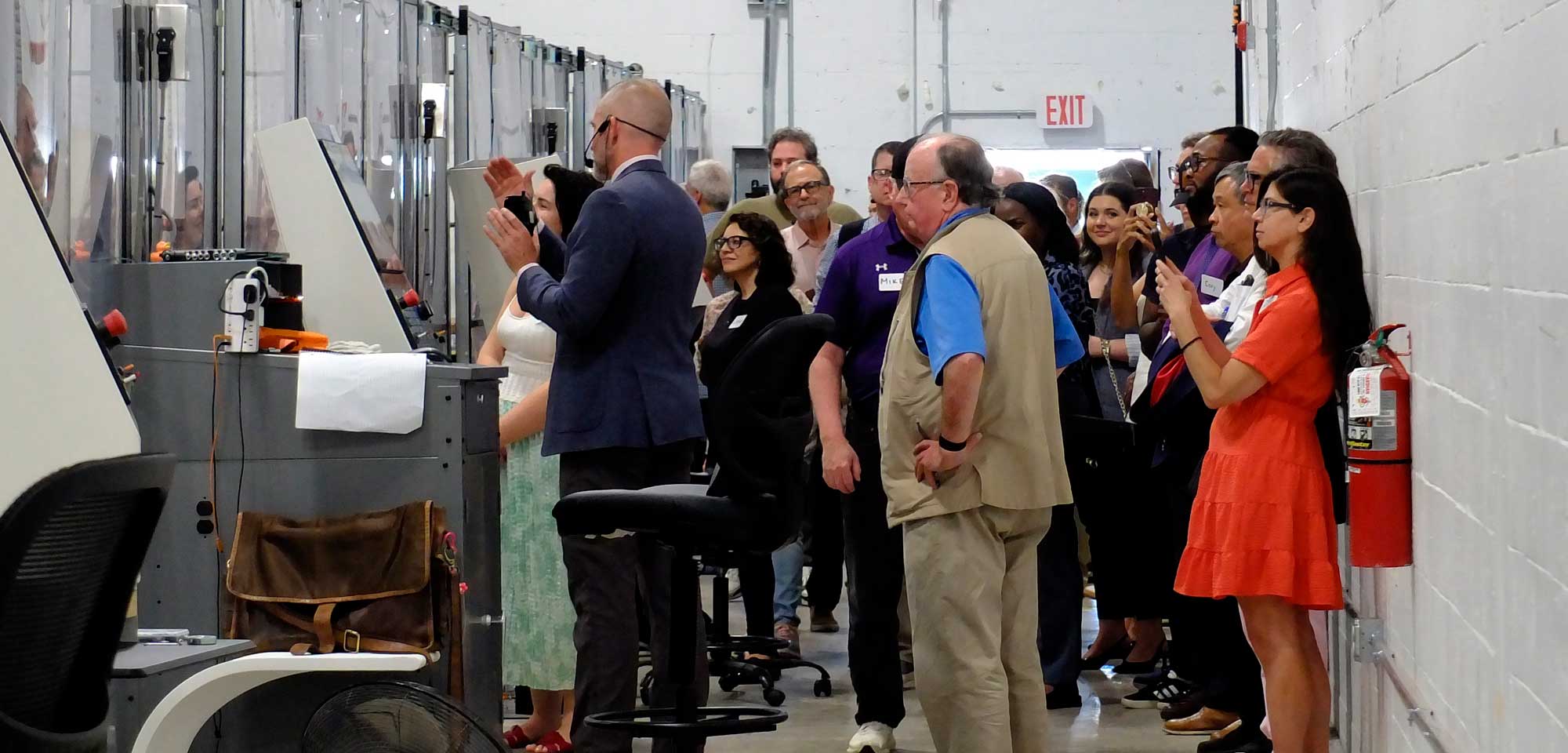
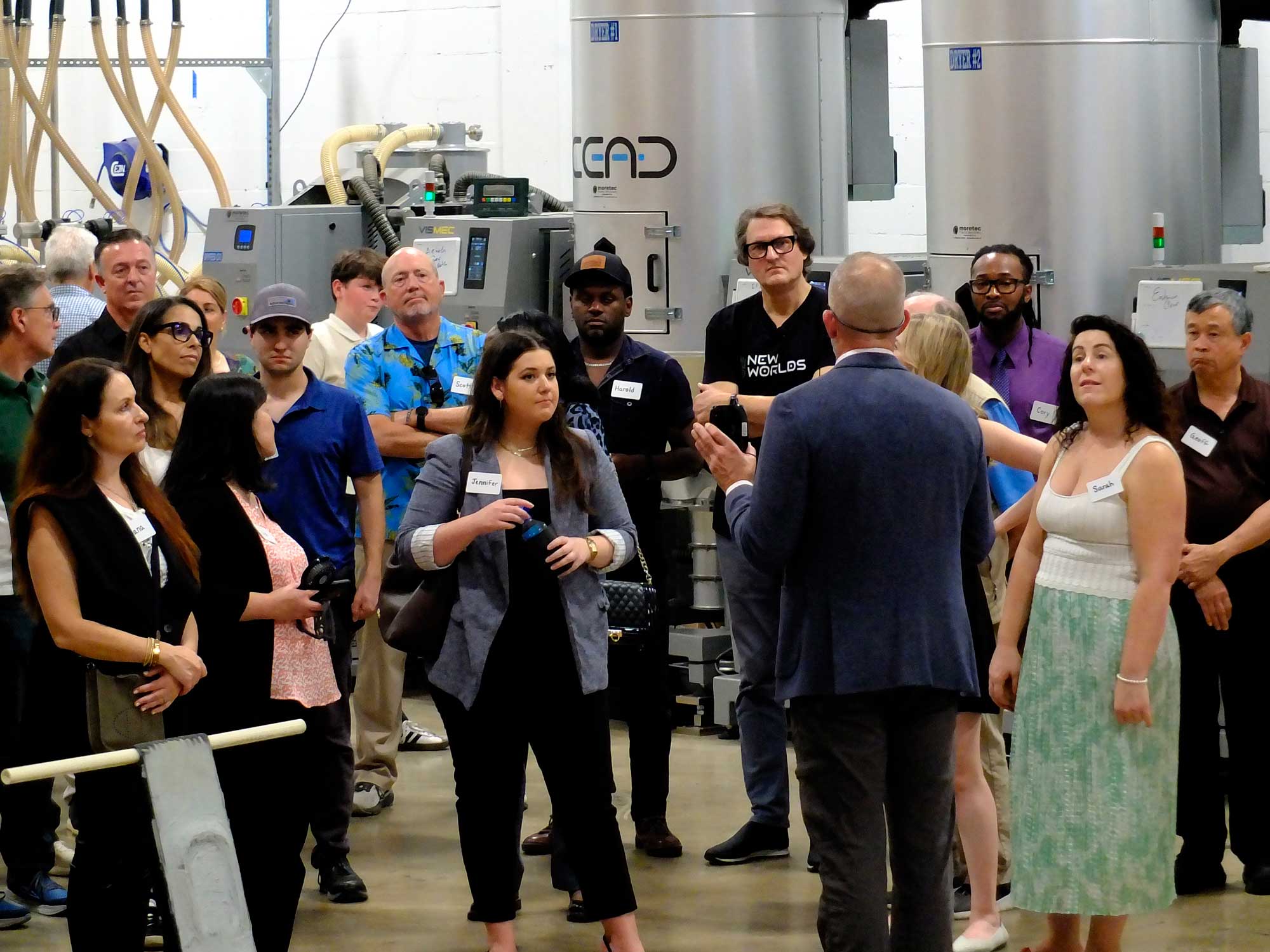
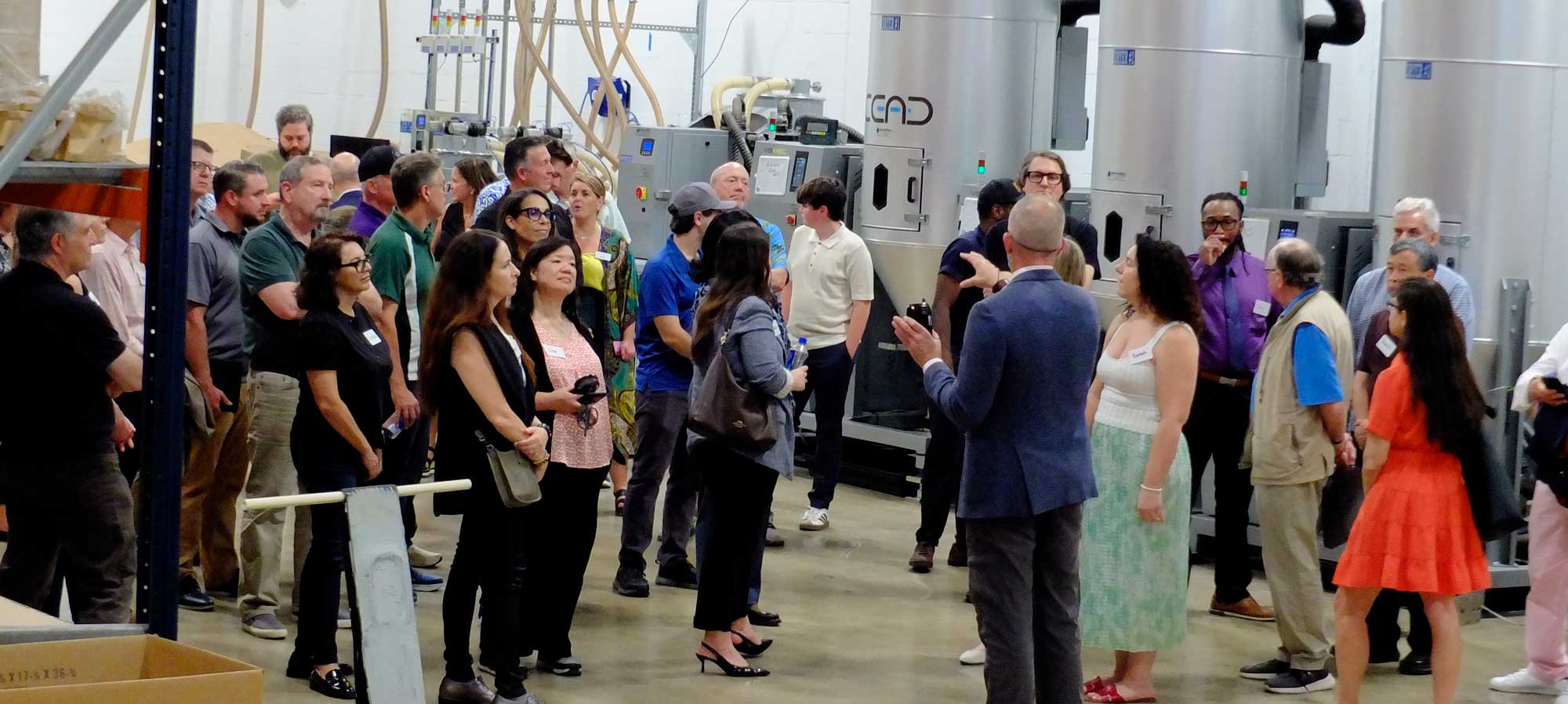
The event, Proximity: The Future of Manufacturing, Creativity & Community, hosted by TWIN Global and Haddy, was proximity in action. We stood in the middle of a working factory, robots building, code running, prototypes forming in real time. In front of our eyes, a 3D-printed boat was taking shape, and the hum of creation surrounded us. This was the future.
Proximity is not simply a trend or philosophy. It is a predictive and testable framework, a way to understand where industries are heading next. Proximity Theory describes how value creation moves ever closer to the moment of need, revealing what happens when production, innovation, and human experience converge anywhere, anytime. It connects the art of possibility with the art of the valuable. Innovation is not just what technology can do; it is how we connect what is possible to what is meaningful.
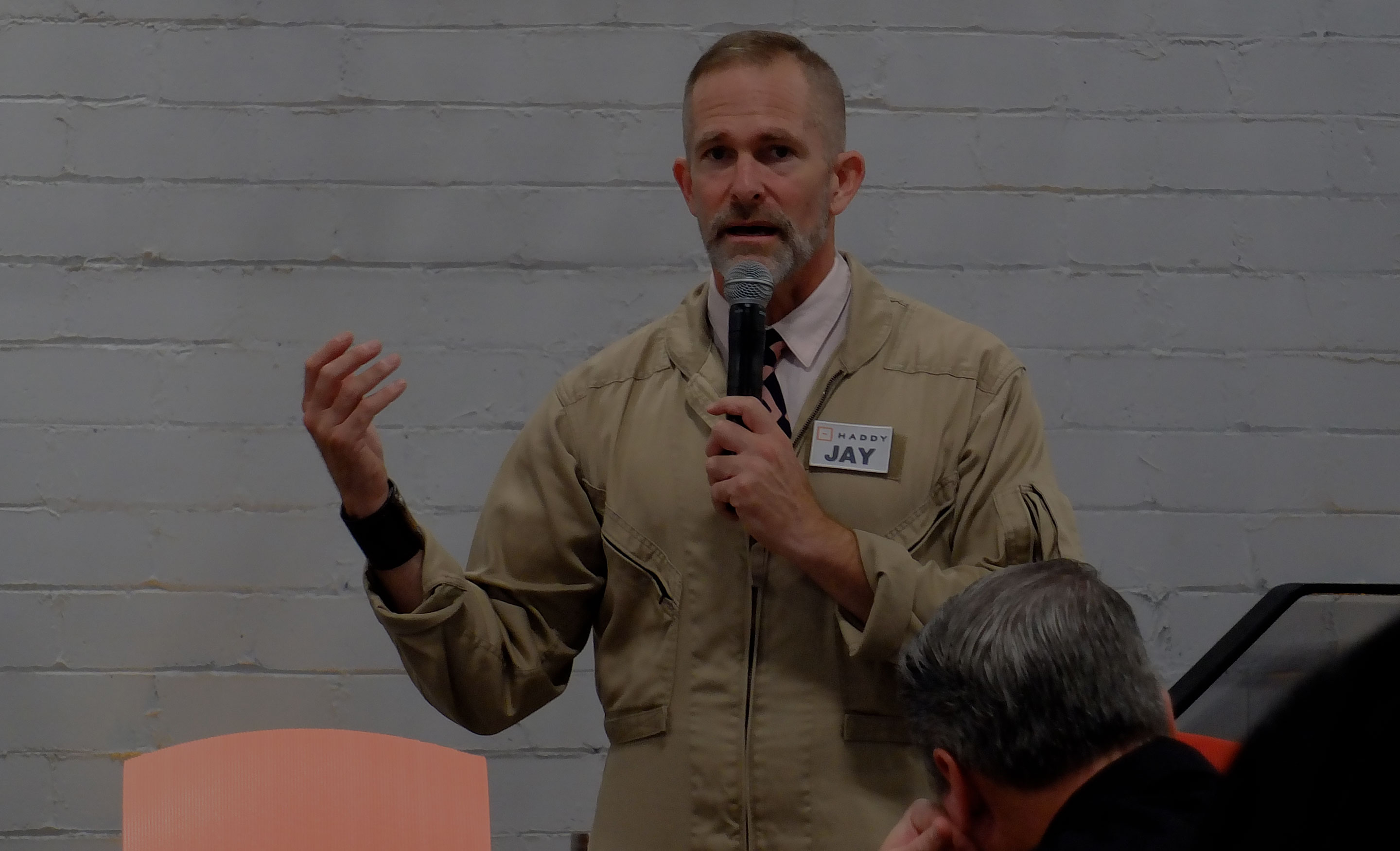
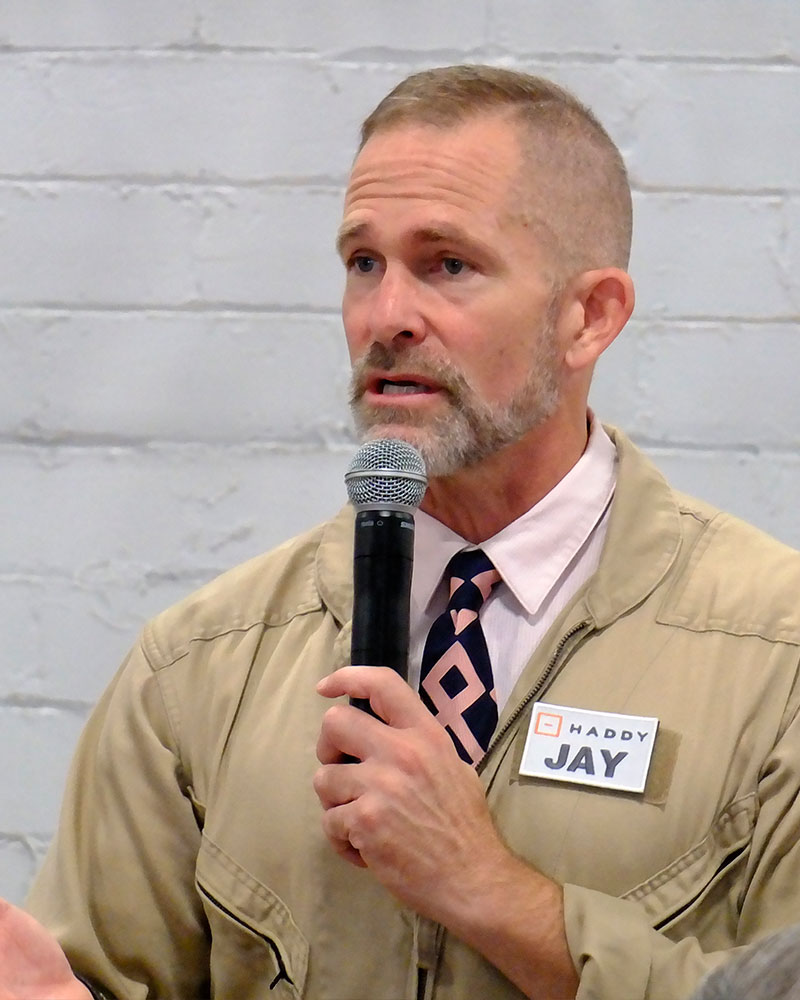
Jay Rogers, Haddy’s founder and CEO, lives that bridge between imagination and execution. His vision is both bold and practical. What began as digital furniture design has evolved into an ecosystem of microfactories producing marine vessels, aerospace parts, healthcare devices, and electric vehicles, all made closer to where they are needed. Haddy’s projects now span collaborations with Disney, Gensler, and national defense initiatives, proving that manufacturing can happen anywhere and that doing so strengthens communities and economies. Jay captured it in four defining words: speed, innovation, creativity, and mission. Every creator and entrepreneur can now become a purposeful force with a clear mission to build what the world truly needs.
Two proximity-driven entrepreneurs, Cam Myers, founder of CreateMe, and Manuela Zoninsein, founder of Kadeya, embodied this vision. Cam spoke about transforming apparel production by combining robotics, AI, and design to enable clothing to be made on demand, right where consumers are. Manuela shared how Kadeya re-engineered beverage delivery for industrial environments, bringing circular, reusable water systems to worksites and proving that sustainability and scalability can coexist when proximity leads the model.
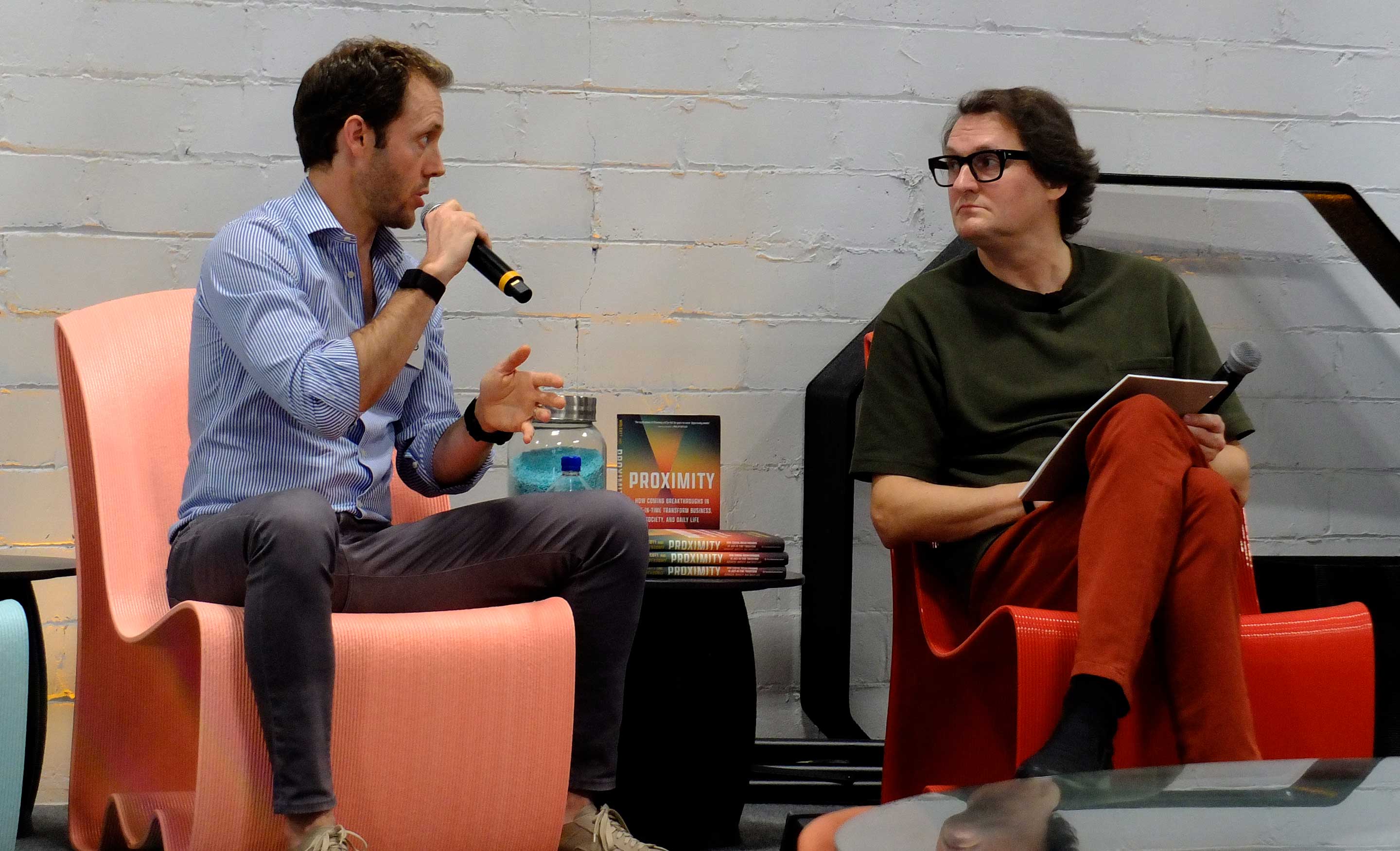
On a panel with Mark Dancer, Jay Rogers, and Lorena Valencia, the conversation deepened. Dancer, founder of Proximity Dispatch, reminded us that distributors are not intermediaries but connective tissue, the lifelines of communities that bring value, purpose, and well-being closer to people. Lorena spoke of how trust, collaboration, and transparency are vital to local ecosystems of innovation, where technology and humanity meet. Together, they illustrated how Proximity Theory does not just describe change; it predicts it, helping leaders see where their industries are going and act ahead of the competition.
What stood out most was the people — their creativity, ingenuity, and collaboration driving everything around us. Harold O’Neal, a world-renowned pianist and composer whose work spans music, film, and storytelling, illustrated how creativity and discipline shape performance and innovation alike. Natasha Tsakos, through her project Microgravity Adventures, the first multimedia performance in microgravity in collaboration with MIT’s Space Exploration Initiative, merged art, science, and imagination, showing that innovation must be felt as much as engineered.
Then there was Pablos Holman, who looked like he had stepped out of The Matrix, an inventor, futurist, and author of Deep Future. He invited us to view invention as a moral act, urging us to go beyond what exists and design for the world we want. His work across food systems, climate, and advanced design shows that proximity is not just about production; it is about human evolution. That same conviction echoed in Colonel (ret.) Geoffrey Ling’s pioneering work with MIT and DARPA, which proved that pharmaceuticals can be competitively and profitably produced on a small scale, proximate to demand.
In 2020, Rob Wolcott recorded his Why TWIN address, a reflection that continues to shape how we think about innovation, humanity, and leadership. “We have spent nearly 20 years collecting the most inspiring, meaningful, ethical, good people. They just make our lives better,” he said. “Only our imaginations limit what circles we can create.” His voice carries both the rhythm of poetry and the precision of foresight, reminding us that when extraordinary people come together, they create extraordinary change.
This event was different from previous TWIN Global gatherings. It was TWIN at proximity, drawn to a new partner and innovation ecosystem in St. Petersburg, Florida. The energy, amplified by Haddy’s presence and ARK Invest’s forward-looking vision, made it a perfect stage for what proximity means today. When we heard from Paul Wilson, CFO of ARK Invest, and Becca Brown, CEO and President of the Tampa Bay Innovation Center, it became clear why St. Pete is emerging as one of the most dynamic innovation ecosystems in the country. Paul spoke about creating and funding the future while performing in the present, describing proximity as both a mindset and a mechanism for growth. Becca shared ARK’s commitment to advancing prosperity through innovation and local empowerment. Change-makers like ARK represent leadership that does not just predict the future but build the ecosystems that make it possible. They bridge global foresight with local transformation, seeing tomorrow’s patterns and acting on them today.
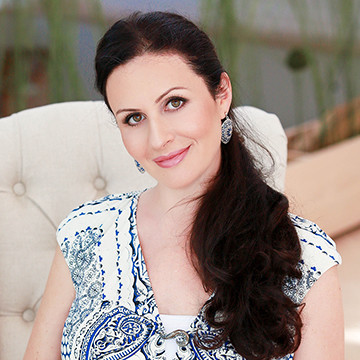 As I reflected on the event, I realized that even the positioning of my own agency, Marketing for Wellness, takes on a new meaning when I think about proximity and TWIN Global. My core belief has always been that Wellness Is Everything. Proximity expands that belief, showing that wellness is not only a goal but the foundation leaders can build upon to imagine futures that multiply well-being instead of depleting it. This philosophy inspires me to see Marketing for Wellness as a communication catalyst, helping bridge innovation and purpose while nurturing the ability in each person to uncover their own leadership. The individual unfoldment of leadership is essential for the new age we are entering, one where AI frees resources and could empower every person to create with their unique signature, shaping better ways and patterns for the world we live in.
The ingenuity, brilliance, and sincere desire to make a difference filled every corner of that factory. We were not simply exchanging ideas; we were elevating one another, moving each other to the next step of evolution. Every TWIN event I have attended since 2009 has felt like a step forward and upward in that evolution, individually and collectively. Each one stretches how we think, collaborate, and envision what is possible.
Proximity is enabling our society to keep pace with a new paradigm, one that no longer accepts mediocrity, bureaucracy, slow-moving processes, decisions driven by job security, or outdated ways of thinking. After the event, I believe the future belongs to individuals who have the power to create in the blink of an eye, shaping new realities at the speed of light, where innovation, purpose, and humanity converge into anything, anywhere, anytime.
Two proximity-driven entrepreneurs, Cam Myers, founder of CreateMe, and Manuela Zoninsein, founder of Kadeya, embodied this vision. Cam spoke about transforming apparel production by combining robotics, AI, and design to enable clothing to be made on demand, right where consumers are. Manuela shared how Kadeya re-engineered beverage delivery for industrial environments, bringing circular, reusable water systems to worksites and proving that sustainability and scalability can coexist when proximity leads the model.
On a panel with Mark Dancer, Jay Rogers, and Lorena Valencia, the conversation deepened. Dancer, founder of Proximity Dispatch, reminded us that distributors are not intermediaries but connective tissue, the lifelines of communities that bring value, purpose, and well-being closer to people. Lorena spoke of how trust, collaboration, and transparency are vital to local ecosystems of innovation, where technology and humanity meet. Together, they illustrated how Proximity Theory does not just describe change; it predicts it, helping leaders see where their industries are going and act ahead of the competition.
What stood out most was the people — their creativity, ingenuity, and collaboration driving everything around us. Harold O’Neal, a world-renowned pianist and composer whose work spans music, film, and storytelling, illustrated how creativity and discipline shape performance and innovation alike. Natasha Tsakos, through her project Microgravity Adventures, the first multimedia performance in microgravity in collaboration with MIT’s Space Exploration Initiative, merged art, science, and imagination, showing that innovation must be felt as much as engineered.
Then there was Pablos Holman, who looked like he had stepped out of The Matrix, an inventor, futurist, and author of Deep Future. He invited us to view invention as a moral act, urging us to go beyond what exists and design for the world we want. His work across food systems, climate, and advanced design shows that proximity is not just about production; it is about human evolution. That same conviction echoed in Colonel (ret.) Geoffrey Ling’s pioneering work with MIT and DARPA, which proved that pharmaceuticals can be competitively and profitably produced on a small scale, proximate to demand.
In 2020, Rob Wolcott recorded his Why TWIN address, a reflection that continues to shape how we think about innovation, humanity, and leadership. “We have spent nearly 20 years collecting the most inspiring, meaningful, ethical, good people. They just make our lives better,” he said. “Only our imaginations limit what circles we can create.” His voice carries both the rhythm of poetry and the precision of foresight, reminding us that when extraordinary people come together, they create extraordinary change.
This event was different from previous TWIN Global gatherings. It was TWIN at proximity, drawn to a new partner and innovation ecosystem in St. Petersburg, Florida. The energy, amplified by Haddy’s presence and ARK Invest’s forward-looking vision, made it a perfect stage for what proximity means today. When we heard from Paul Wilson, CFO of ARK Invest, and Becca Brown, CEO and President of the Tampa Bay Innovation Center, it became clear why St. Pete is emerging as one of the most dynamic innovation ecosystems in the country. Paul spoke about creating and funding the future while performing in the present, describing proximity as both a mindset and a mechanism for growth. Becca shared ARK’s commitment to advancing prosperity through innovation and local empowerment. Change-makers like ARK represent leadership that does not just predict the future but build the ecosystems that make it possible. They bridge global foresight with local transformation, seeing tomorrow’s patterns and acting on them today.
As I reflected on the event, I realized that even the positioning of my own agency, Marketing for Wellness, takes on a new meaning when I think about proximity and TWIN Global. My core belief has always been that Wellness Is Everything. Proximity expands that belief, showing that wellness is not only a goal but the foundation leaders can build upon to imagine futures that multiply well-being instead of depleting it. This philosophy inspires me to see Marketing for Wellness as a communication catalyst, helping bridge innovation and purpose while nurturing the ability in each person to uncover their own leadership. The individual unfoldment of leadership is essential for the new age we are entering, one where AI frees resources and could empower every person to create with their unique signature, shaping better ways and patterns for the world we live in.The ingenuity, brilliance, and sincere desire to make a difference filled every corner of that factory. We were not simply exchanging ideas; we were elevating one another, moving each other to the next step of evolution. Every TWIN event I have attended since 2009 has felt like a step forward and upward in that evolution, individually and collectively. Each one stretches how we think, collaborate, and envision what is possible.
Proximity is enabling our society to keep pace with a new paradigm, one that no longer accepts mediocrity, bureaucracy, slow-moving processes, decisions driven by job security, or outdated ways of thinking. After the event, I believe the future belongs to individuals who have the power to create in the blink of an eye, shaping new realities at the speed of light, where innovation, purpose, and humanity converge into anything, anywhere, anytime.